
A PhD-Level Case Study
Love Through
the Ages
From the Mayan jungle to the banks of the Yamuna River — from the ventral tegmental area of the human brain to the shadow of a 13th-century temple — love has always found a way to be permanent.
Agra, India · 1631–1653
The Taj Mahal:
Love Carved in Marble
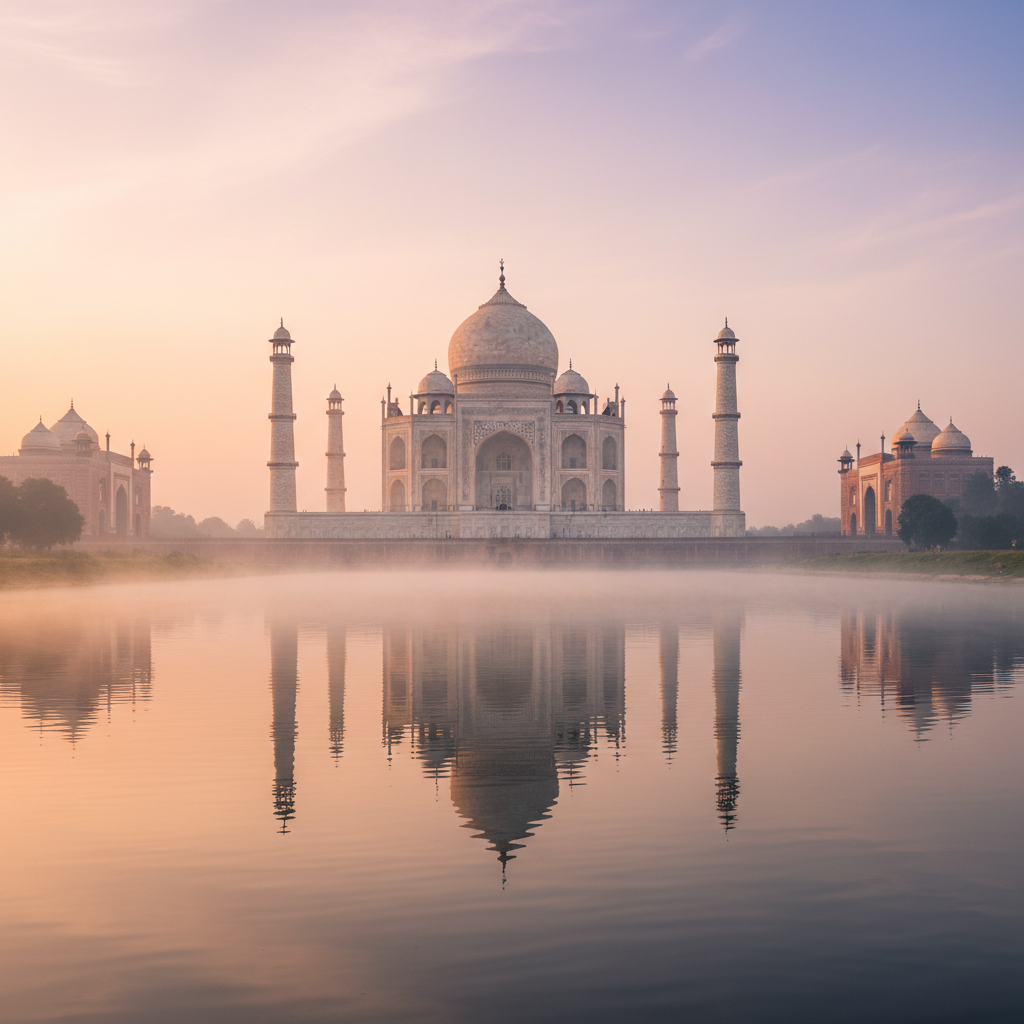
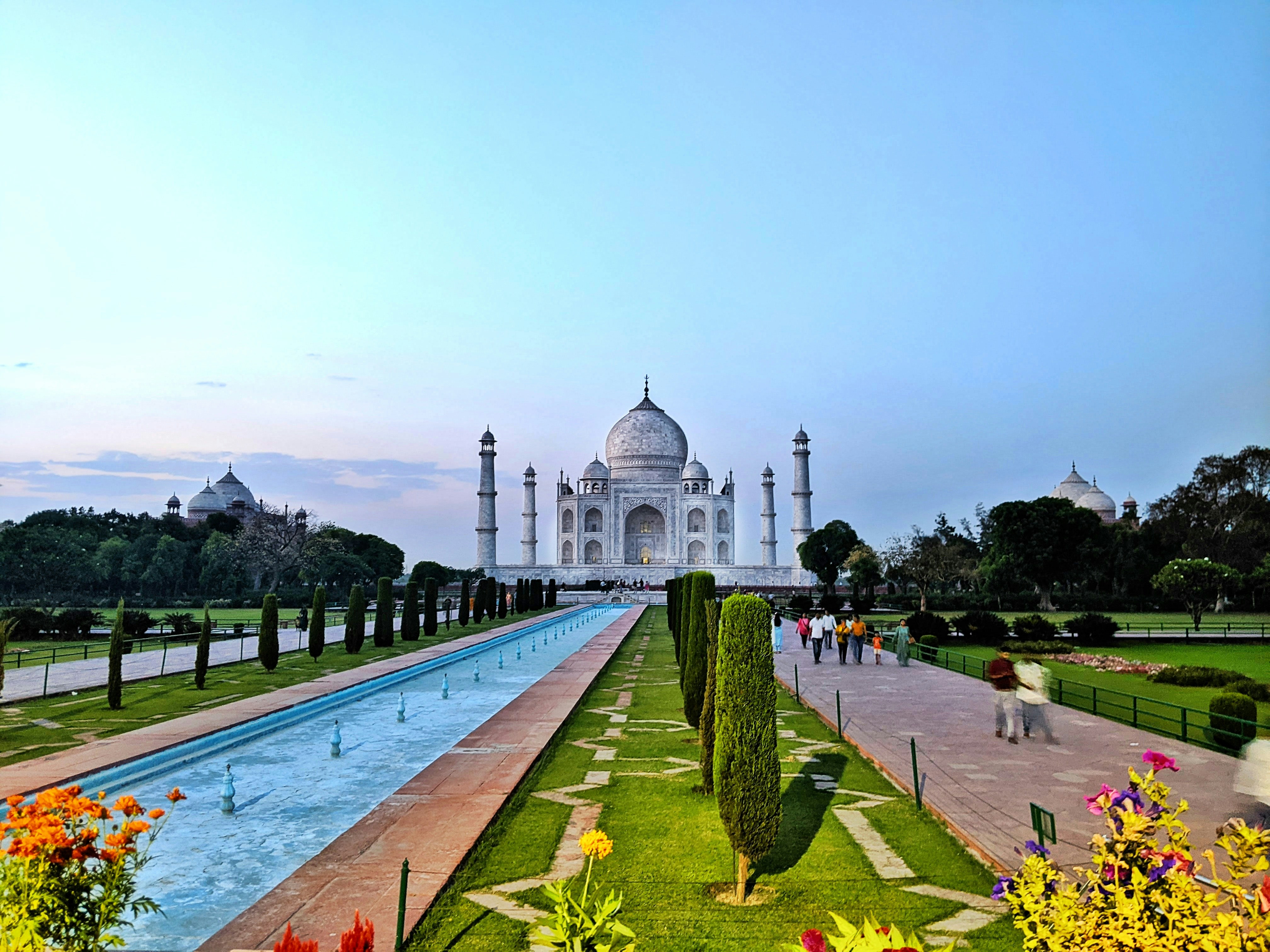
When Mumtaz Mahal died in childbirth in 1631, Emperor Shah Jahan was so devastated that his hair turned white overnight. He spent the next 22 years — and the entire treasury of the Mughal Empire — building her a tomb so beautiful it would make the universe weep.
20,000 workers. Pure white Makrana marble from Rajasthan. Precious stones inlaid by hand from across three continents. The building changes color with the light — blush at dawn, white at noon, gold at dusk, silver under the moon.
Shah Jahan was later imprisoned by his own son. He spent his final years in a tower, gazing at the Taj Mahal across the river. When he died, they buried him beside Mumtaz — the only asymmetry in the entire perfectly symmetrical building.
"Should guilty seek asylum here,
Like one pardoned, he becomes free from sin.
Should a sinner make his way to this mansion,
All his past sins are to be washed away."
22
Years to Build
An entire empire's treasury, for one woman.
Twice a year
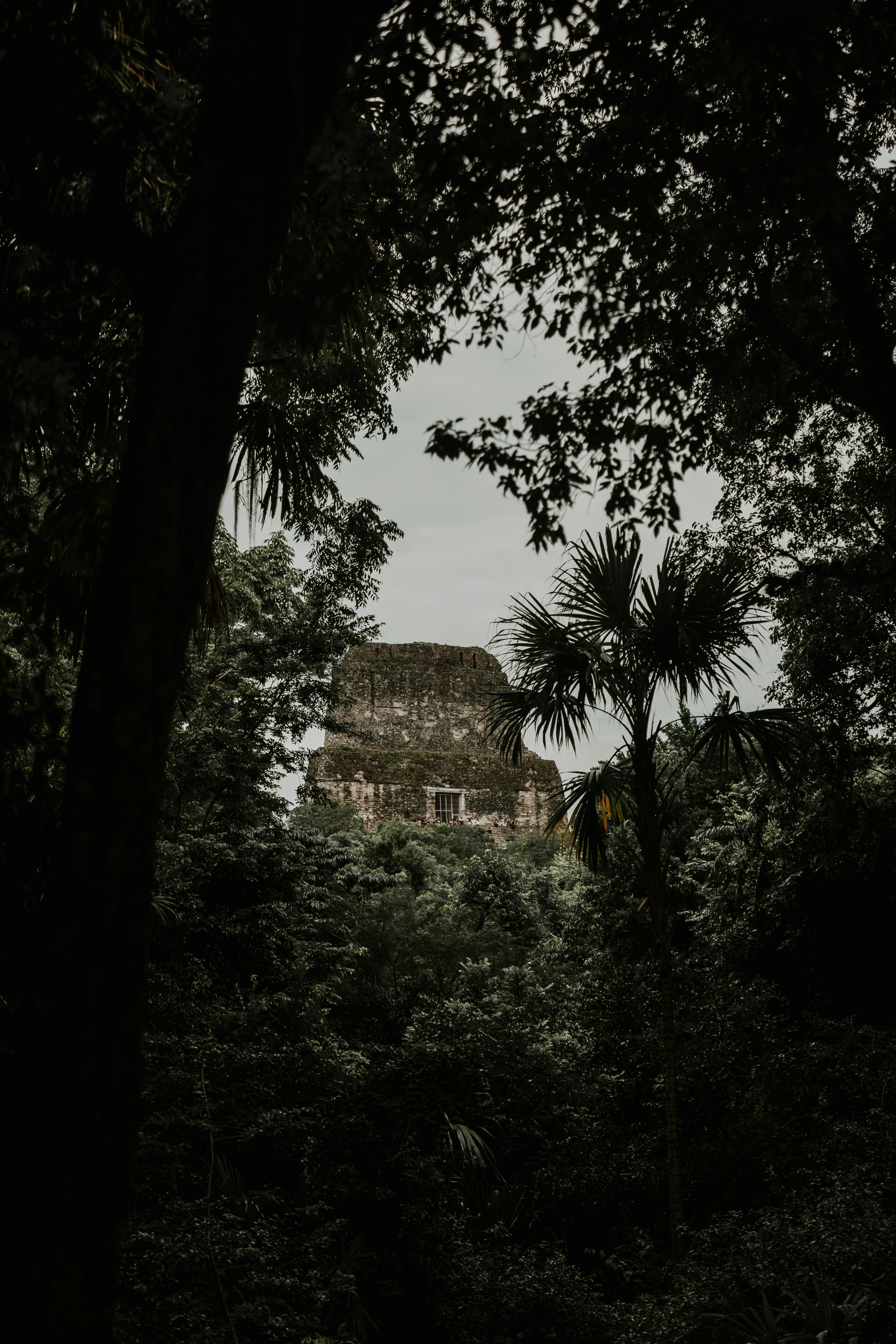
Spring & Autumn Equinox — his shadow crosses her temple. Her shadow crosses his tomb.
Tikal, Guatemala · 8th Century CE
Hasaw Chan K'awil:
Lovers Who Touch Through Time
The ancient inscriptions say he adored her. He built her a temple and positioned his own to face it — so that twice a year, on the spring and autumn equinox, the sun would rise behind his dwelling and cast his shadow across her walls. And as it set, her shadow would fall across his tomb. Through stone and light and the slow turning of the earth, these two still reach for each other, thirteen centuries after death.
He had no architects trained in physics. No computers to calculate solar angles. He had love, and he had determination, and he engineered the sun itself to become his messenger.
I think about this when I think about you, Anita. That love is not diminished by time or death or distance. That it finds a way — through stone, through shadow, through a website on a domain called iloveanita.art.
Neuroscience · Journal of Neurophysiology, 2005
The Neuroscience of
Loving You
Romantic love is not a feeling. It is a drive — as ancient and as urgent as the drive to eat, to breathe, to survive. The brain scans confirm it. My every waking thought confirms it.
VTA
Ventral Tegmental Area
The ancient reward center. Lights up identically when you think of your beloved as when you're desperately hungry. Love is not a luxury — it is survival.
17
Minds Mapped in Love
All intensely in love. All showed specific, sustained activation in dopamine-rich brain circuits. The brain in love is measurably, chemically different.
4+
Decades of Research
Scientists have studied romantic love longer than most relationships last. Their conclusion: love is a drive, as fundamental as hunger or thirst.
∞
Duration of the Drive
Unlike lust (which fades) or attachment (which deepens slowly), romantic love can persist indefinitely in long-term couples who maintain novelty and presence.
When you love someone, you are focused entirely on them. You crave closeness. You would sacrifice anything. You feel what they feel — their joy lands in you like light.
— What the research found. What I already knew.
Read the Greatest Love Poems →